
Projection mapping has transformed the way brands, event planners, and creative professionals engage audiences. Unlike traditional projection that displays content on a flat screen, projection mapping turns almost any surface into a dynamic digital canvas. Buildings, stages, vehicles, sculptures, dance floors, products, and even entire landscapes can become immersive visual experiences through this innovative technology.
From corporate product launches and luxury weddings to concerts, trade shows, museum exhibitions, and architectural installations, projection mapping creates unforgettable moments that captivate audiences. As businesses increasingly seek interactive and memorable experiences, projection mapping has become one of the most effective event technologies available.
In this guide, we’ll explain what projection mapping is, how it works, where it’s used, its key benefits, and why it’s becoming an essential feature for modern events.
What Is Projection Mapping?
Projection mapping, also known as video mapping, spatial augmented reality, or 3D projection mapping, is a technology that projects digital content onto three-dimensional objects instead of traditional flat projection screens.
Specialized software analyzes the exact shape, size, and dimensions of a surface, allowing animations, videos, graphics, and lighting effects to perfectly align with the object’s contours. The result is a visually stunning illusion where buildings appear to crumble, products come alive, stages transform instantly, or walls become immersive storytelling environments.
Unlike ordinary projectors that display rectangular images, projection mapping customizes every pixel to fit the physical object being projected onto.

What Is Projection Mapping?
Projection mapping, also known as video mapping, spatial augmented reality, or 3D projection mapping, is a technology that projects digital content onto three-dimensional objects instead of traditional flat projection screens.
Specialized software analyzes the exact shape, size, and dimensions of a surface, allowing animations, videos, graphics, and lighting effects to perfectly align with the object’s contours. The result is a visually stunning illusion where buildings appear to crumble, products come alive, stages transform instantly, or walls become immersive storytelling environments.
Unlike ordinary projectors that display rectangular images, projection mapping customizes every pixel to fit the physical object being projected onto.
How Does Projection Mapping Work?
Projection mapping combines creative design with advanced technology. The process generally involves several stages:
1. Surface Analysis
The first step is identifying the projection surface. This may include:
- Building facades
- Event stages
- Wedding backdrops
- Product displays
- Vehicles
- Architectural structures
- Interior walls
- Exhibition booths
Measurements are taken to create an accurate digital model.
3D Modeling
Using specialized software, designers build a digital representation of the object. Every edge, corner, curve, and surface is mapped precisely.
Popular software includes:
- Resolume Arena
- MadMapper
- Disguise
- TouchDesigner
- Watchout
- HeavyM
- Pandora’s Box
Content Creation
Motion designers create custom animations specifically for the mapped object.
These visuals may include:
- 3D animations
- Motion graphics
- Brand videos
- Interactive visuals
- Digital art
- Product showcases
- Logo animations
- Special effects
Each animation is designed around the object’s dimensions.
Projector Selection
Professional laser projectors are selected based on:
- Brightness (Lumens)
- Throw distance
- Resolution
- Venue lighting
- Projection size
Large outdoor events often require multiple high-lumen projectors blended together for seamless coverage.
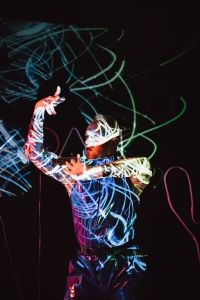
Alignment and Calibration
Technicians carefully position each projector and align every image pixel with the physical surface.
This process ensures:
- Sharp visuals
- Accurate perspective
- Perfect edge blending
- Realistic optical illusions
Live Playback
During the event, the software controls all projectors simultaneously.
Projection mapping can also synchronize with:
- Lighting systems
- Music
- Lasers
- LED walls
- Special effects
- Stage automation
- Live performances
The result is a fully immersive visual experience.
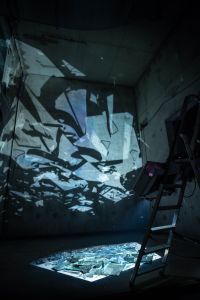
Where Is Projection Mapping Used?
Projection mapping has applications across numerous industries and event types.
Corporate Events
Businesses use projection mapping to create memorable presentations and product launches.
Examples include:
- Product reveals
- Company anniversaries
- Award ceremonies
- Annual meetings
- Brand activations
- Sales conferences
Large-scale visual storytelling helps reinforce brand identity while engaging attendees.
Weddings
Luxury weddings increasingly feature projection mapping for personalized experiences.
Popular wedding applications include:
- Animated reception backdrops
- Custom monograms
- First dance visuals
- Storytelling projections
- Cake projection mapping
- Venue transformations
Projection mapping can instantly change the atmosphere without requiring extensive physical decorations.
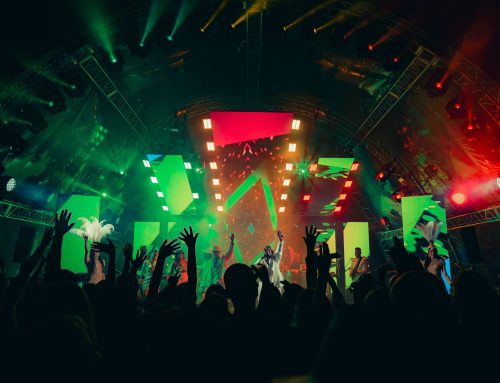
Concerts and Live Entertainment
Concert productions frequently incorporate projection mapping to enhance performances.
Applications include:
- Stage visuals
- DJ performances
- Festival experiences
- Theater productions
- Dance performances
- Touring productions
The visuals synchronize perfectly with music and lighting to create an unforgettable show.
Museums and Cultural Exhibitions
Museums use projection mapping to create educational and immersive experiences.
Examples include:
- Historical recreations
- Interactive exhibits
- Digital storytelling
- Artifact enhancement
- Visitor engagement
Architectural Installations
Projection mapping is commonly used on buildings for public events and celebrations.
Examples include:
- Holiday displays
- City festivals
- Building inaugurations
- Tourism campaigns
- Historic landmarks
- Public art installations
Benefits of Projection Mapping
Creates Unforgettable Experiences
Projection mapping delivers high-impact visuals that audiences remember long after the event ends.
Highly Customizable
Every animation can be tailored to:
- Brand colors
- Company messaging
- Event themes
- Products
- Venue architecture
No two projection mapping experiences are exactly alike.
Increases Audience Engagement
Dynamic visuals naturally capture attention and encourage audience participation.
Interactive projection mapping can even respond to movement, touch, or live performances.
Maximizes Existing Venues
Instead of building elaborate stage sets, projection mapping transforms existing spaces into immersive environments.
This reduces the need for expensive physical scenery.
Supports Brand Storytelling
Brands can communicate complex messages through cinematic visual experiences rather than traditional presentations.
This creates stronger emotional connections with audiences.
Flexible for Any Event Size
Projection mapping works for:
- Small private events
- Corporate meetings
- Weddings
- Festivals
- Stadium productions
- Outdoor public events
- Enhances Social Media Visibility
Guests frequently photograph and share projection mapping experiences online, increasing organic brand exposure and event visibility.
Benefits of Projection Mapping
Creates Unforgettable Experiences
Projection mapping delivers high-impact visuals that audiences remember long after the event ends.
Highly Customizable
Every animation can be tailored to:
- Brand colors
- Company messaging
- Event themes
- Products
- Venue architecture
No two projection mapping experiences are exactly alike.
Increases Audience Engagement
Dynamic visuals naturally capture attention and encourage audience participation.
Interactive projection mapping can even respond to movement, touch, or live performances.
Maximizes Existing Venues
Instead of building elaborate stage sets, projection mapping transforms existing spaces into immersive environments.
This reduces the need for expensive physical scenery.
Supports Brand Storytelling
Brands can communicate complex messages through cinematic visual experiences rather than traditional presentations.
This creates stronger emotional connections with audiences.
Flexible for Any Event Size
Projection mapping works for:
- Small private events
- Corporate meetings
- Weddings
- Festivals
- Stadium productions
- Outdoor public events
- Enhances Social Media Visibility
Guests frequently photograph and share projection mapping experiences online, increasing organic brand exposure and event visibility.
Types of Events That Use Projection Mapping
Projection mapping is suitable for many event formats, including:
- Corporate conferences
- Product launches
- Trade shows
- Award ceremonies
- Luxury weddings
- Fashion shows
- Gala dinners
- Charity events
- Museum exhibitions
- Concerts
- Music festivals
- Theater productions
- Sporting events
- Architectural lighting shows
- Holiday celebrations
- Brand activations
- Experiential marketing campaigns
- Restaurant openings

Indoor vs. Outdoor Projection Mapping
Indoor Projection Mapping
Ideal for:
- Hotels
- Ballrooms
- Convention centers
- Museums
- Corporate offices
- Exhibition halls
Benefits include controlled lighting conditions and easier setup.
Outdoor Projection Mapping
Perfect for:
- Buildings
- Stadiums
- Public spaces
- Historic landmarks
- Festivals
Outdoor events require higher-brightness projectors to compete with ambient light.
Flexible for Any Event Size
Projection mapping works for:
- Small private events
- Corporate meetings
- Weddings
- Festivals
- Stadium productions
- Outdoor public events
- Enhances Social Media Visibility
Guests frequently photograph and share projection mapping experiences online, increasing organic brand exposure and event visibility.
Choosing the Right Projection Mapping Provider
When selecting a projection mapping company, consider:
- Experience with similar events
- High-quality laser projection equipment
- Custom content creation capabilities
- Technical support during the event
- Creative design expertise
- Portfolio of previous projects
- Ability to integrate with lighting and audio systems
- Knowledge of venue logistics
Working with an experienced production team ensures smooth execution from concept to completion.
Frequently Asked Questions (FAQs)
What is projection mapping?
Projection mapping is a visual technology that projects digital images, videos, and animations onto three-dimensional surfaces such as buildings, stages, walls, products, or sculptures. It transforms ordinary objects into immersive visual displays by precisely matching the projected content to the shape of the surface.
How does projection mapping work?
Projection mapping works by creating a digital model of a physical object using specialized software. Designers produce custom content that aligns perfectly with the object’s dimensions, and high-powered projectors display the visuals with precise calibration for a realistic and immersive effect.
What is the difference between projection mapping and traditional projection?
Traditional projection displays rectangular images on flat screens, while projection mapping adapts visuals to irregular or three-dimensional surfaces. This creates the illusion that objects are moving, transforming, or interacting with the projected content.
What equipment is needed for projection mapping?
A typical projection mapping setup includes high-brightness laser projectors, projection mapping software, media servers, content playback systems, computers, and professional mounting equipment. Large-scale installations may also require multiple projectors for edge blending and increased brightness.
What surfaces can be used for projection mapping?
Projection mapping can be used on buildings, stages, walls, floors, ceilings, vehicles, sculptures, wedding backdrops, exhibition booths, products, architectural features, and many other custom surfaces.
Where is projection mapping commonly used?
Projection mapping is widely used for corporate events, product launches, weddings, concerts, festivals, museum exhibitions, fashion shows, trade shows, retail experiences, architectural displays, and experiential marketing campaigns.
Is projection mapping suitable for indoor and outdoor events?
Yes. Projection mapping is effective for both indoor and outdoor events. Indoor environments offer controlled lighting, while outdoor installations typically require brighter projectors to ensure vivid visuals in ambient light.
Can projection mapping be customized for my event?
Absolutely. Every projection mapping experience is custom-designed to match your event’s theme, branding, venue, audience, and objectives. Animations, colors, graphics, and messaging can all be personalized.
Is projection mapping interactive?
Yes. Interactive projection mapping can respond to audience movement, touch, motion sensors, cameras, or live performers, creating engaging and immersive experiences that encourage participation.
How long does it take to create a projection mapping show?
The production timeline depends on the project’s complexity. Smaller projects may take several days, while large-scale architectural projections or custom animated productions can require several weeks of planning, design, animation, testing, and installation.
Is projection mapping expensive?
The cost varies depending on factors such as venue size, projector requirements, content complexity, event duration, and technical setup. Small indoor installations are generally more affordable than large outdoor architectural projection shows.
Can projection mapping be synchronized with lighting and audio?
Yes. Projection mapping can be fully synchronized with stage lighting, LED walls, sound systems, lasers, pyrotechnics, live performances, and show control systems to create a seamless multimedia experience.
What are the biggest benefits of projection mapping?
Projection mapping enhances audience engagement, creates memorable visual experiences, supports powerful brand storytelling, transforms ordinary venues, reduces the need for physical scenery, and generates highly shareable content for social media.
What types of businesses benefit from projection mapping?
Many industries use projection mapping, including corporate organizations, event production companies, hospitality venues, entertainment providers, museums, retailers, luxury brands, universities, tourism organizations, government agencies, and marketing firms.
Why should I choose projection mapping for my next event?
Projection mapping delivers a unique combination of creativity, technology, and storytelling. Whether you’re hosting a corporate conference, luxury wedding, product launch, fashion show, or live performance, it creates immersive experiences that captivate audiences, strengthen your brand message, and leave a lasting impression.

Leave A Comment
You must be logged in to post a comment.